
KTM Moving Off Brembo To New WP Performance Braking System
New brakes division marks a move toward more in‑house component integration.
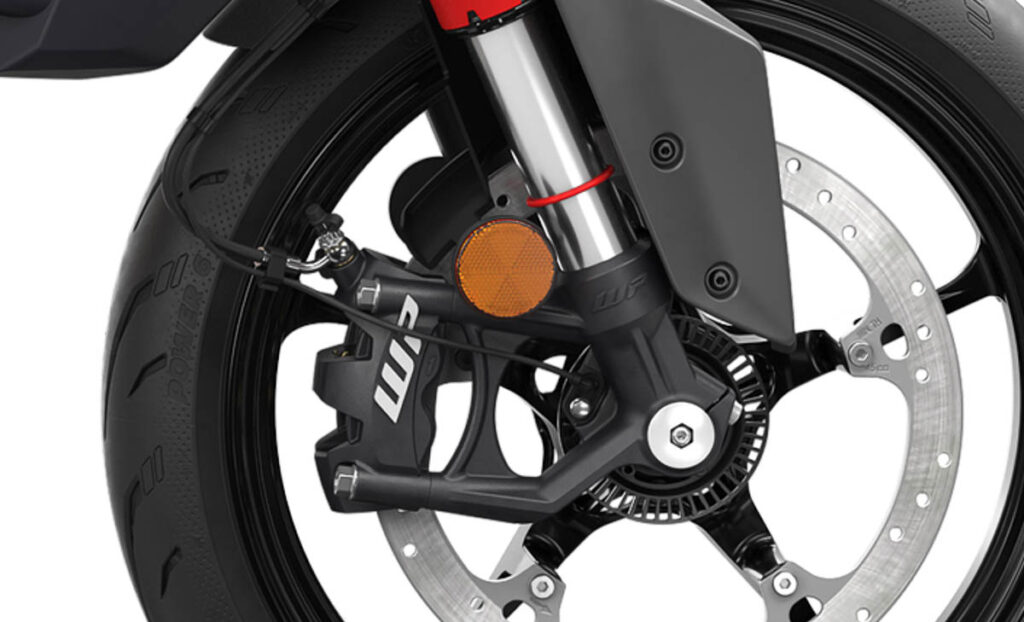
For decades, WP has been synonymous with suspension — particularly for riders of KTM, Husqvarna, and GasGas machines who’ve come to expect sharp handling and high-quality damping straight from the factory. Now for 2026, the KTM AG-owned brand is taking an ambitious step: officially entering the braking arena with complete high-performance systems positioned to compete directly with the market leader, Brembo.
The jump into the stoppers market involves the launch of a complete family of 19 braking components engineered for high‑performance OEM applications. KTM says the systems are developed to meet their specific requirements for lighter weight, improved thermal stability, and tighter integration with chassis and suspension behavior.
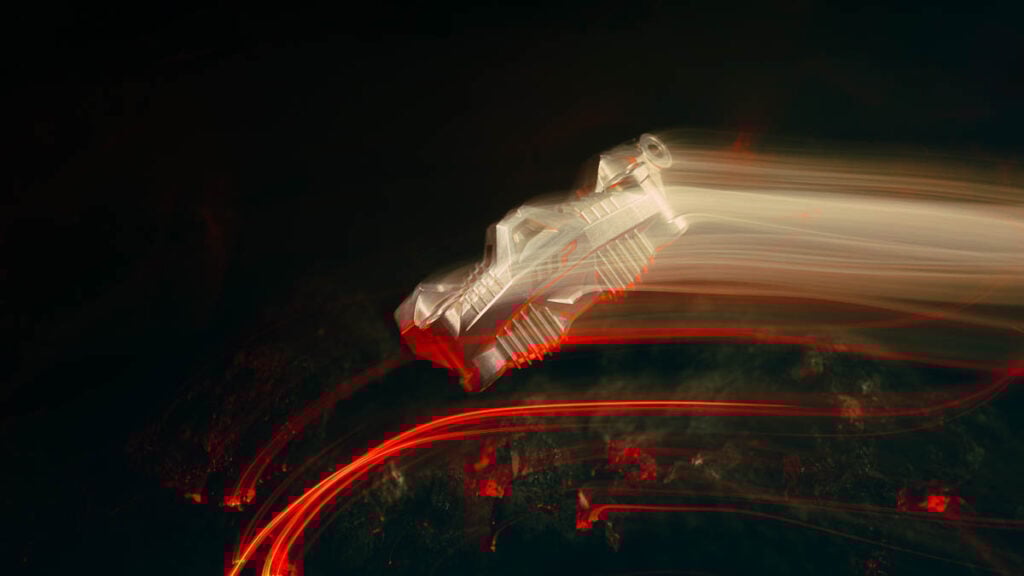
To create the new line, WP assembled a team of 11 specialists, each with more than two decades of brake development experience. Their work takes place inside a 6,000‑square‑meter fully-equipped manufacturing facility that handles everything from CAD development and prototyping to machining, anodizing, hose extrusion, and final assembly. The plant’s production capacity—300,000 brake systems and 1.5 million hoses annually—reflects the scale of the program.
At the center of the lineup is the FCR4 radial front caliper, a compact, FEM‑optimized unit weighing less than 740 grams. Its narrow body and central bridge structure were designed to maximize stiffness while maintaining compatibility with spoked wheels, an important consideration for dual‑sport and adventure platforms. The caliper uses die‑cast aluminum bodies, hard‑anodized aluminum pistons, EPDM square and dust seals, and is available with either sintered or organic pads. Complementing it is the FMR4 radial master cylinder, which WP describes as the first radial master cylinder developed specifically for motorcycles under 500cc. Offered in 13 mm and 16 mm piston sizes, it features a short‑body design to reduce system weight, along with micrometric lever adjustment and low‑friction internals.
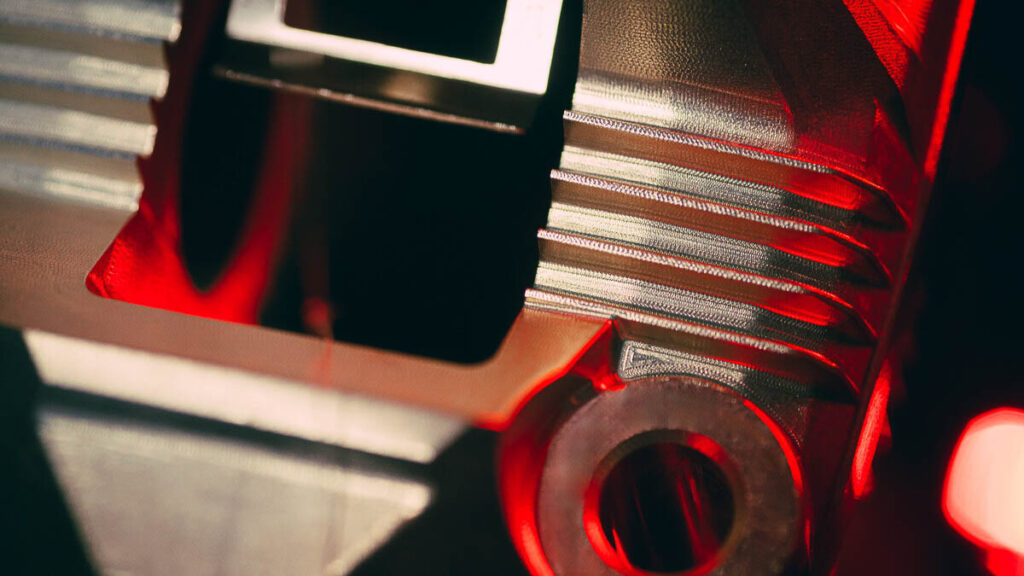
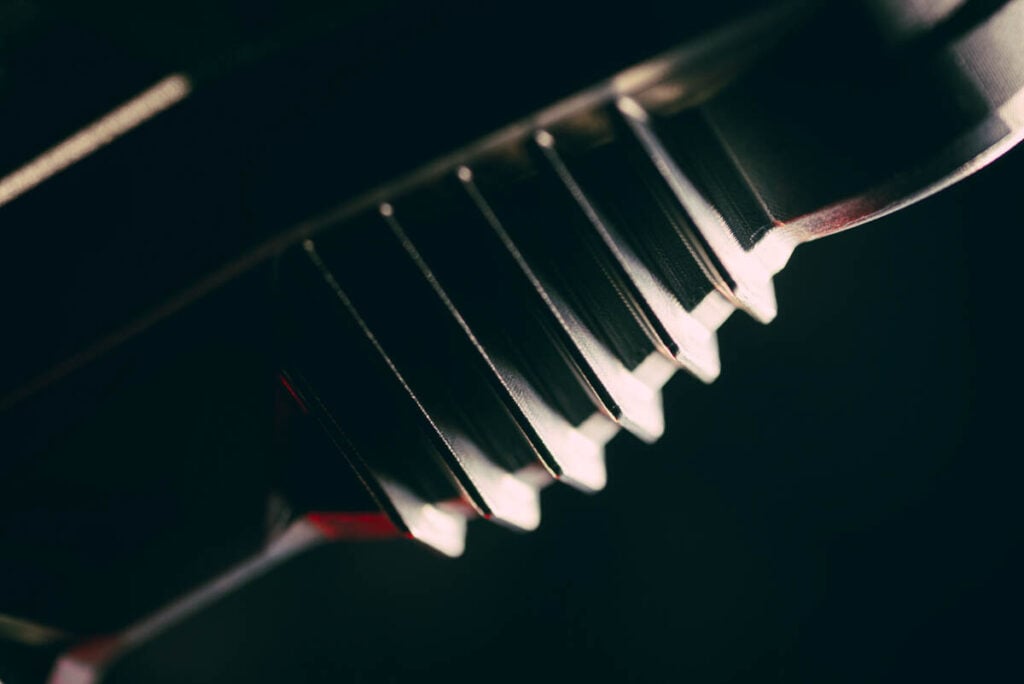
At the rear, the RCF4 floating caliper uses an open‑bridge design to improve cooling and an oversized pad surface for durability. Thermal isolation features help maintain performance during extended braking, and the layout was designed to simplify service for both professional technicians and everyday riders. Completing the system are WP’s in‑house braided brake hoses, built using high‑purity PTFE liners and zinc‑nickel‑treated fittings. The hoses are engineered for ultra‑low expansion, high flexibility, and strong heat resistance, with optimized internal diameters to support consistent braking performance. WP also emphasizes that the entire system was designed to reduce drag torque, improving efficiency, reducing pad wear, and sharpening acceleration.
While the initial focus appears to be small‑engine and lightweight performance street bikes, the implications for KTM’s ADV and dual‑sport models are significant. KTM has been steadily moving toward deeper vertical integration in their manufacturing, and WP’s braking division mirrors the same strategy that made WP Suspension a defining feature of KTM‑group motorcycles.
First-Real World Application
The first production motorcycle to receive the new WP braking system is the 2026 KTM 390 Duke, which features a 320 mm four‑piston radial‑mount front caliper and a 240 mm single‑piston rear caliper. This marks the first real‑world application of WP Braking Systems and the beginning of KTM’s shift away from Brembo and ByBre hardware. The 2026 390 Adventure R and 390 Enduro R continue to use ByBre components for this model year, but these models are strong candidates for adoption in the next cycle.
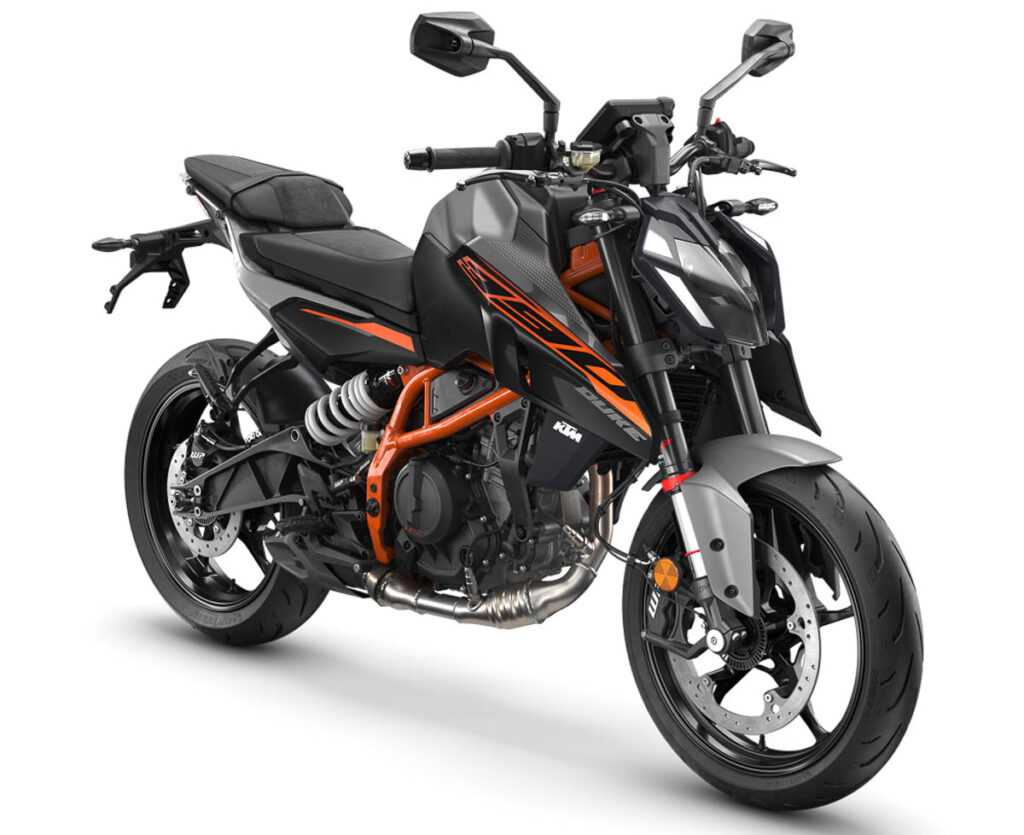
WP’s move into braking represents a significant shift in how KTM approaches chassis performance. By bringing braking development under the same roof as suspension, KTM gains tighter control over tuning, integration, and long‑term platform strategy. It also reduces reliance on outside suppliers, a subtle but meaningful advantage for a company that has navigated financial turbulence in recent years. This vertical integration could help stabilize costs, reduce supply‑chain risk, and ensure consistent component availability across global production.
As KTM rolls out new platforms, WP Braking Systems are likely to begin appearing across the company’s lightweight and mid‑size lineup, including future ADV and dual‑sport models. Any performance advantages developed by WP could become a defining feature, exclusive to KTM‑group bikes rather than shared with competitors. On the other hand, WP could decide to supply other manufacturers in the future — a move that could generate a new revenue stream for the brand. At least for the near term, we expect KTM to remain the primary customer though.
Related Stories
Related Stories
 WP Launches Suspension Upgrade For KTM 690 & Husky 701 Enduros KTM’s in-house suspension specialist, WP, has just released a new version of their...
 WP Launches Next Level Suspension for the KTM 790 Adventure R The 2019 KTM 790 Adventure R has staked its claim to being the...
 KTM Announces Specs And Availability Of New 690 Rally Model KTM is expanding its LC4 lineup with the introduction of the 2027 KTM...
Popular Stories
Bultaco Staging Comeback With Budget-Friendly 300cc ADV Bike
Bultaco is officially back in the motorcycle busi...
5 Small‑Bore Adventure Bikes That Aren’t Buzzy On The Highway
Small‑bore adventure bikes in the 300–500cc range...

CFMoto’s 450MT Sweeps All Adventure Classes at Red Bull Romaniacs
CFMoto recorded a standout performance at Red Bul...
KTM Announces Specs And Availability Of New 690 Rally Model
KTM is expanding its LC4 lineup with the introduc...


Notify me of new posts via email