
New Battery Tech Enables 370‑Mile Range & 10‑Minute Quick Charges
Verge promises the first-ever solid-state battery motorcycles to come to market.
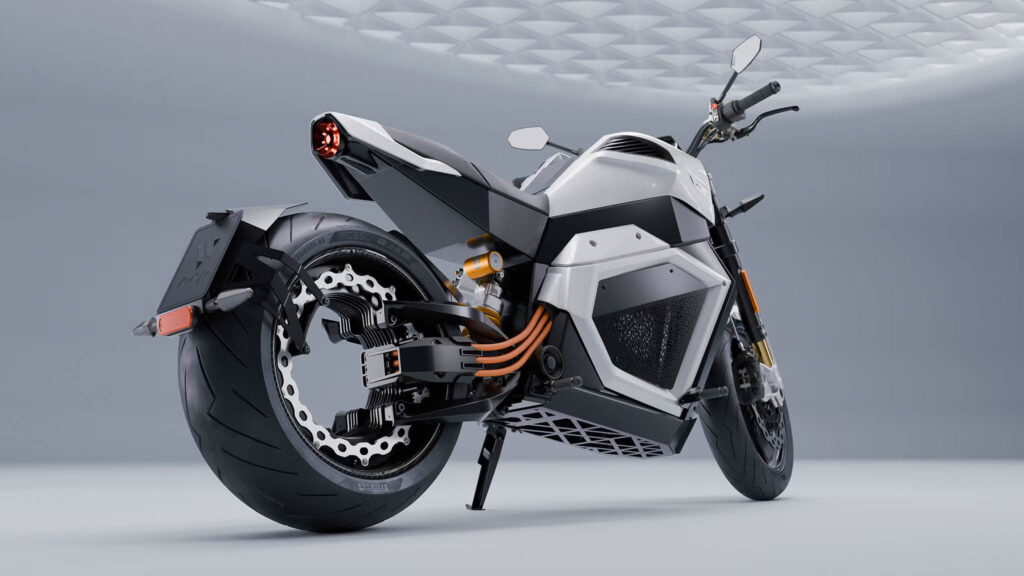
Verge Motorcycles has unveiled what may be one of the most significant leaps in electric motorcycle technology we’ve seen in recent years. The announcement arrives just 8 months after Verge set a world record for the longest distance traveled on a single charge. That record-breaking feat now serves as a foundation for Verge’s next achievement: the first production motorcycle equipped with a solid‑state battery.
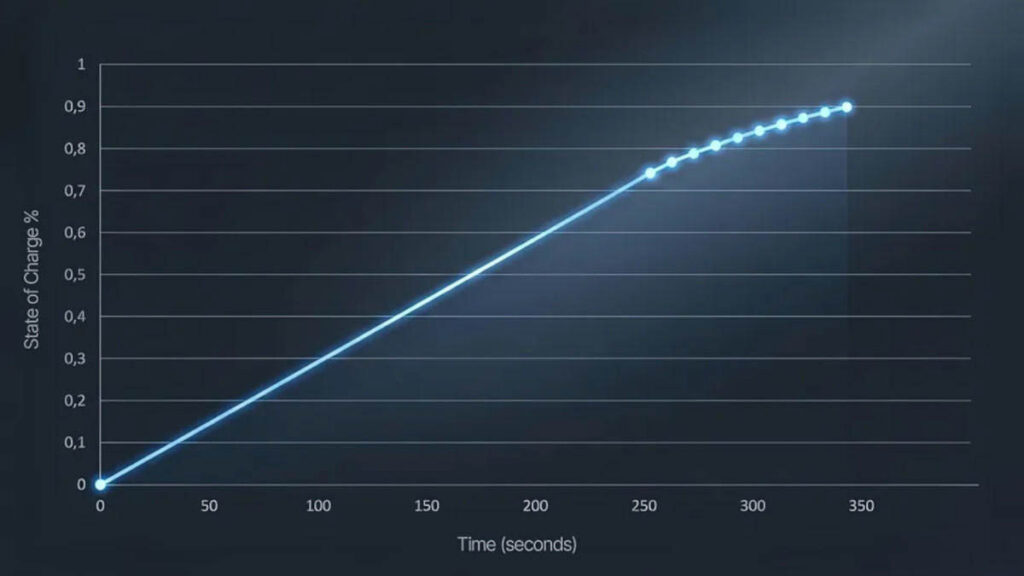
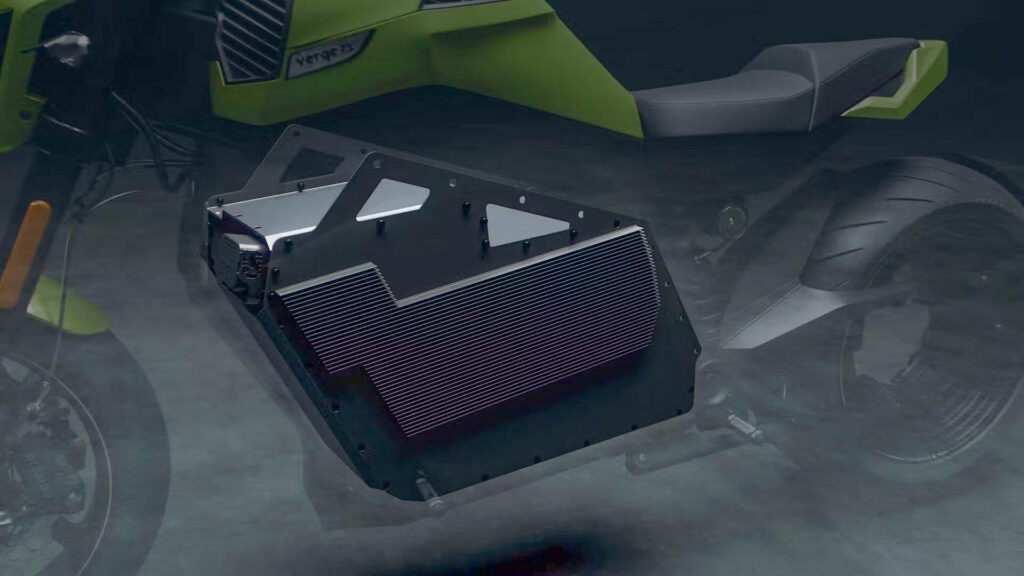
Verge says their new solid‑state battery pack, coming to both the TS Pro and TS Ultra models, delivers up to 370 miles of range and can charge from 0–80% in under 10 minutes. For the large battery version in the TS Pro, that 80% figure equates to roughly 296 miles of added range in a single stop—numbers that begin to close in on the convenience of fueling up a gas bike. The system also uses the North American Charging Standard (NACS), giving riders access to the rapidly expanding Tesla‑based charging network.
With excellent range and ultra‑fast charging the TS Pro and TS Ultra may be the first EV motorcycles to challenge gas bikes on convenience, range and performance. And while these machines aren’t adventure bikes, the technology inside them offers a lot of promise for the electric ADV bikes of the future.
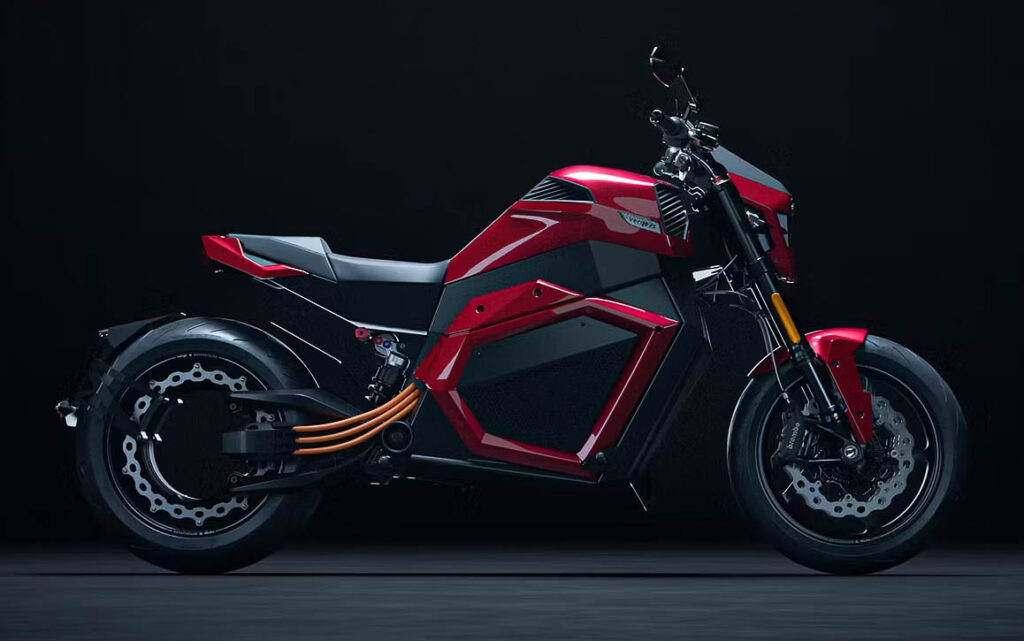
While major automakers have spent years teasing solid‑state battery breakthroughs, no mass‑market car has yet shipped with a true solid‑state battery pack. Verge says it is skipping the concept phase entirely and going straight to production. If the company is able to deliver solid‑state batteries in their motorcycles over the next few months as planned, this relatively small motorcycle start-up will have effectively beaten the entire global automotive industry to market.
Solid‑State vs. Lithium‑Ion
If it can deliver on what it promises, solid-state technology would address many of the limitations current electric adventure motorcycles have including range, charging time, thermal stability, cold‑weather performance, and off-road durability. While we don’t have all the details on Verge’s new solid-state battery pack, here are some of the advantages the tech claims to provide over the typical lithium‑ion batteries.
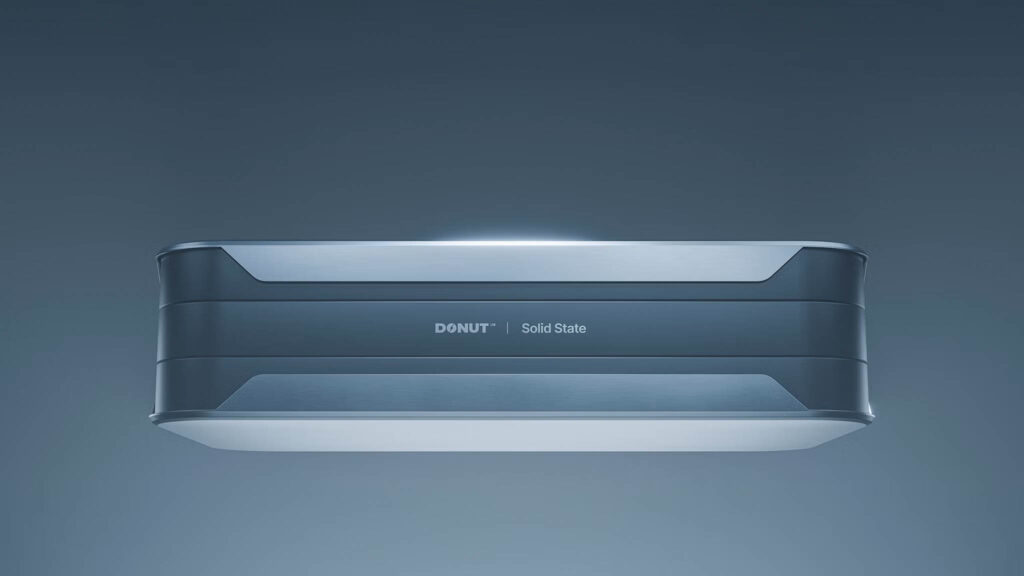
Range & Energy Density: Solid‑state cells pack more energy into the same space, enabling ranges well beyond the 100–150 miles typical of current electric motorcycles. Verge’s 370‑mile claim is the first real-world example of this, which far exceeds the range of most gas-powered adventure bikes.
Charging Speed: Lithium‑ion packs struggle with heat during fast charging, forcing manufacturers to limit charge rates. Solid‑state chemistry tolerates higher currents, allowing Verge’s bike to take faster charges without damaging the pack.
Longevity: Solid‑state batteries are expected to last far longer, with slower degradation and potentially double the usable charge cycles of lithium‑ion.
Safety: Removing the liquid electrolyte eliminates the primary source of EV battery fires. Solid‑state packs are far more resistant to puncture, thermal runaway, and overheating.
Cold & Hot Weather Performance: Solid electrolytes maintain conductivity better across temperature extremes, meaning less range loss on cold mornings and more stable performance during high‑load, high‑heat riding.
Environmental Impact: Solid‑state cells avoid many of the solvents and materials used in lithium‑ion manufacturing and are easier to recycle due to their simpler structure.
Cost: Historically, solid‑state batteries were far more expensive to produce. However, Verge’s new pack is reportedly cheaper to manufacture than their previous lithium‑ion unit.
The battery technology was developed and tested together with Donut Lab, a tech company founded by Marko Lehtimäki, who also leads Verge Motorcycles. The announcement arrives in a landscape where solid‑state battery claims are common, often framed with timelines such as “expected to go to market in the next few years” or references to ongoing prototyping. For a company of this size to bring solid‑state batteries to production ahead of much larger manufacturers would mark a departure from how such technologies have traditionally debuted.
“The use of solid state battery technology to motorcycles in production is a historic breakthrough shaking up the entire automotive industry,” says Tuomo Lehtimäki, CEO of Verge Motorcycles. Verge’s close development work with Donut Lab, along with battery pack testing and validation, has reached the point where we can implement the technology in the new evolution of Verge TS Pro model, which is already in production and available on Verge’s website and in our showroom stores.”
Pricing and Options
Despite the leap in technology, Verge kept the TS Pro’s base price at $29,900, which includes the standard 20.2 kWh solid‑state pack. Riders who want the full 370‑mile capability can opt for the $5,000 ‘large’ 33.3 kWh battery upgrade, bringing the price to $34,900. The flagship TS Ultra receives the large solid-state battery standard and retails for $44,900.
Performance
The TS Pro’s hubless rear‑wheel motor — Verge’s signature design — remains unchanged, delivering 137 horsepower and a massive 737 lb‑ft of torque at the wheel. The TS Pro accelerates from 0–60 mph in 3.5 seconds, and achieves a top speed of 124 mph.
Availability
Verge operates a growing network of company‑owned retail stores in the U.S. and Europe, including locations in Los Angeles, Santa Clara, and Berlin. These spaces function as showrooms and test‑ride centers, but they are not traditional dealerships and do not carry bikes for immediate purchase. All TS Pro and TS Ultra models are ordered directly through Verge’s website. Customers place a deposit online, configure their bike, and Verge builds each unit to order.
According to the company’s current timeline, TS Pro deliveries are scheduled to begin in Q1 2026, with TS Ultra deliveries following later in Q2.
Related Stories
Related Stories
 Verge E-Motorcycle Sets World Record For Distance On Single Charge Range anxiety has long been a key concern for motorcyclists considering the switch...
 Recall Issued For the New Can-Am Origin & Pulse E-Motorcycles Fresh from launching their new Origin and Pulse electric motorcycles this year, Can-Am...
 KTM Releases Specs And Availability Of New Freeride E Dual Sport Ten years after introducing the electric Freeride concept to the market, KTM is...
Popular Stories
Ducati’s Street‑Legal 450 Enduro Takes Shape Ahead Of 2026 Launch
Ducati’s push into off‑road competition is about ...

British Couple Riding Through Iran Receives Harsh Prison Sentence
When Craig and Lindsay Foreman set off from Londo...
Moto Morini’s 450cc Twin Adventure Bike Lands in the U.S.
Moto Morini’s long‑anticipated 450cc adventure ...

Putting Yamaha’s Revamped 2025 Tenere 700 To The Test
Yamaha’s Tenere 700 has been one of the most ...



Notify me of new posts via email
Very promising that SSB’s are coming to market. Once demand increases for these specfic batteries — or forces the other BIG manufacturers to make their own, we might have affordable EV motos — the Verge is still too pricey for normal folks (but exciting nonetheless).
Slipped the prototype stage hey? That is not a recipe for long term reliability or robustness.